Solo Travel Tips: 5 Ways to Travel Alone and Actually Enjoy It
Published on September 2026

Traveling alone sounds romantic right up until the moment you're standing in an unfamiliar bus terminal at midnight, trying to work out which exit leads to your hostel. The good news: almost every uncomfortable part of solo travel is a logistics problem, not a personality problem. It can be planned around.
These five solo travel tips are the ones that make the biggest difference on a first trip — the difference between a week of low-grade anxiety and a week where you actually look up and enjoy where you are. None of them require more money, more time off, or more confidence than you already have.
1. Start small
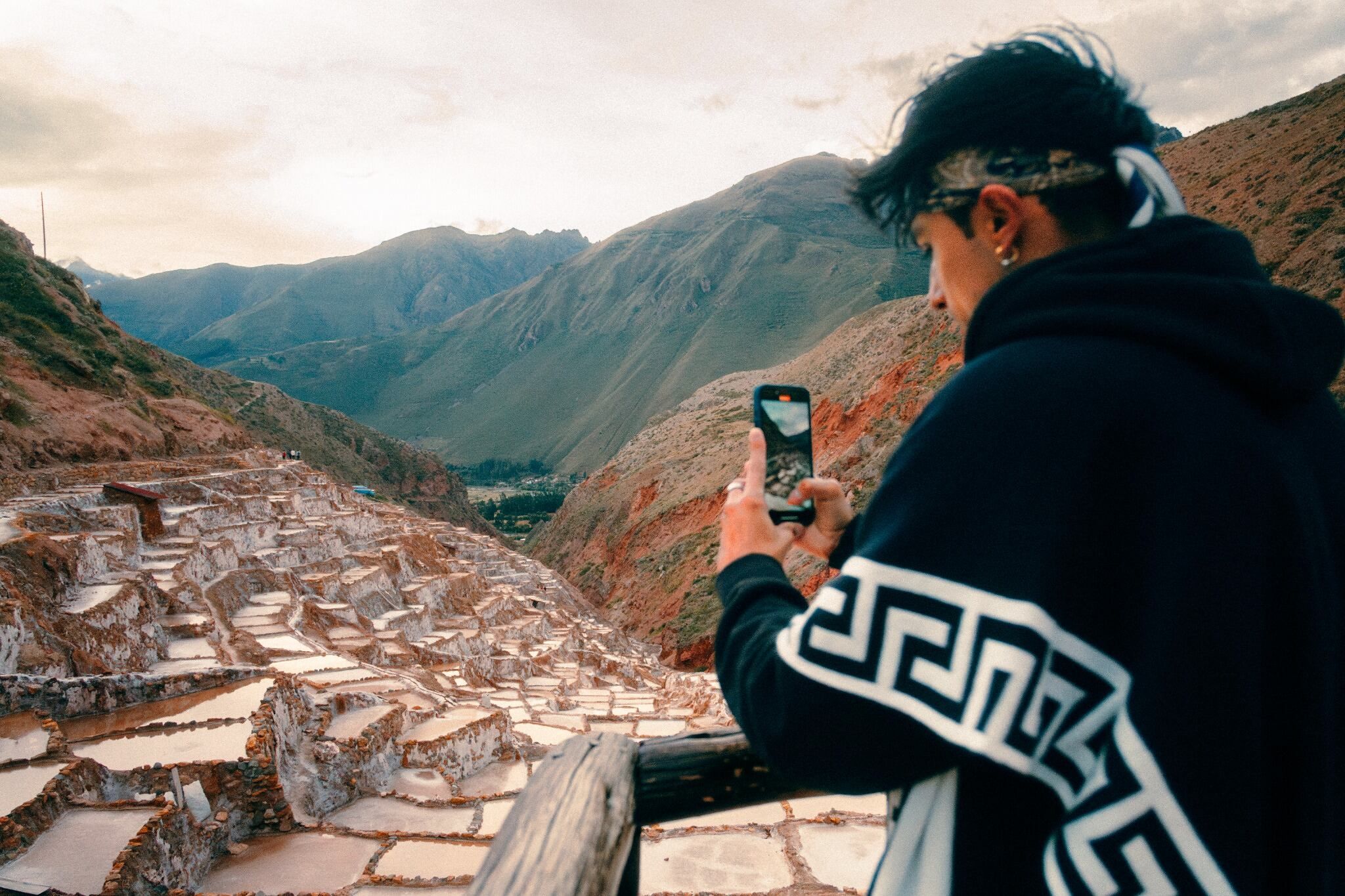
Your first solo trip does not need to be a month of backpacking across a continent. That version of the story is great on Instagram and genuinely hard in practice, especially when you're still learning what you like doing on your own.
Start with a long weekend. Pick a city three or four hours away, or a destination that's easy and safe to move around in — compact centers, walkable neighborhoods, reliable public transport, a language you can navigate or a place used to visitors.
What a short first trip really gives you is data about yourself. Do you like slow mornings or 7am starts? Do you get lonely on day two or day five? Do you want a packed itinerary or one anchor activity a day? You can only answer these by doing it, and it's much cheaper to find out over three days than over three weeks.
Practical version: book two or three nights somewhere you could reach by bus, and don't plan more than one thing per day.
2. Arrive in daylight
This is the single most underrated safety tip for traveling alone, and it costs nothing but a bit of flexibility when you book.
Arriving during the day means you get to make your first decisions in a new place while you can see it. You have time to find the right transport instead of taking the first thing offered to you, to spot the landmarks around your accommodation, and to walk the block once before dark. If your booking has gone wrong — it happens — you have hours to fix it and a reception desk that's actually staffed.
Night arrivals compress all of that into a rushed, expensive version of itself. If you can't avoid one, pre-book your transport from the airport or terminal and message your accommodation ahead so someone is expecting you.
Practical version: filter flights and buses for arrivals before 5pm, even if it means paying a little more or leaving a day earlier.
3. Stay somewhere social

Where you sleep shapes who you meet. A quiet apartment on the edge of town is lovely on day seven and isolating on day one.
Hostels remain the best accommodation for solo travelers for exactly this reason: common areas, shared kitchens and on-site activities mean conversation happens without you having to manufacture it. You can join a walking tour, a cooking night or a beach day, meet people who are also traveling alone, and then close your door when you're done being social. Private rooms exist in most hostels now, so "social" doesn't have to mean "eight-bed dorm" unless you want it to.
Look for places that publish a weekly activity calendar, have a bar or kitchen people actually use, and sit close enough to the center that you're not committing to a taxi every time you leave.
Practical version: book the first two nights somewhere social even if you move to a quieter place later in the trip.
4. Keep everything offline
Connectivity is the thing you assume you'll have and the thing that disappears exactly when you need it — on a bus through the mountains, in a border town, at the moment your eSIM decides not to activate.
- Before you leave, download:
- Offline maps of your destination (Google Maps and Maps.me both allow this)
- Your accommodation's address, written in the local language
- Booking confirmations and boarding passes as screenshots or PDFs
- A translation pack for the local language
- Photos of your passport, visa and travel insurance details
Keep it all in one folder on your phone, and email a copy to yourself as a backup. The goal is that an empty signal bar is a minor annoyance instead of a crisis.
Practical version: make a "Trip" album on your phone the night before you fly and put every screenshot in it.
5. Share your location and itinerary
Traveling alone doesn't mean traveling unaccounted for. Someone you trust should be able to answer the question "where is she right now?" within a reasonable margin.
Send a trusted person your flight details, accommodation names and addresses, and a rough outline of your plan. Turn on live location sharing when you're in transit between cities or heading out on an activity — a hike, a boat trip, a night out. Agree on a loose check-in rhythm so nobody panics over a quiet afternoon, and so a genuinely quiet week does get noticed.
This is also just practically useful. When your phone dies, someone else has your booking reference.
Practical version: one message before you fly with flights, accommodation and dates, then live location on for long transfers.
Frequently asked questions
Is solo travel safe?
For most destinations, yes — with the same precautions you'd take in any unfamiliar city. The habits that matter most are arriving in daylight, keeping key information offline, sharing your itinerary with someone at home, and choosing accommodation in well-connected areas. If you'd rather share a room with women only, look for hostels with female-only dorms.
What's the best first destination for solo travel?
Somewhere compact, walkable and used to travelers, ideally a few hours from home. A city with good hostels and an established backpacker route means you'll find company easily when you want it — the classic first-timer routes through Colombia, Mexico and Peru all work for this.
How do I meet people when traveling alone?
Stay in social accommodation and join organized activities — walking tours, hostel dinners, day trips. Shared plans do the introducing for you, which is far easier than starting conversations from scratch.
How much should I budget for a first solo trip?
Less than you think if you keep it short and stay in hostels. A three-night domestic trip with dorm beds, local transport and street food is often cheaper than a weekend at home — and it's worth checking current deals before you book.
Ready for your first trip alone?
Pick a weekend, book something social, and let the rest follow. Save this guide for when you start planning — and check availability across our hostels in Latin America. If this turns into a habit, Viajero GO rewards you for the nights you're already booking.
 All Posts