Published on November 2026

Remote work changed backpacking's rules. More travelers are combining work and travel at the same time, and out of that mix came a category that barely existed five years ago: the hostel with integrated coworking.
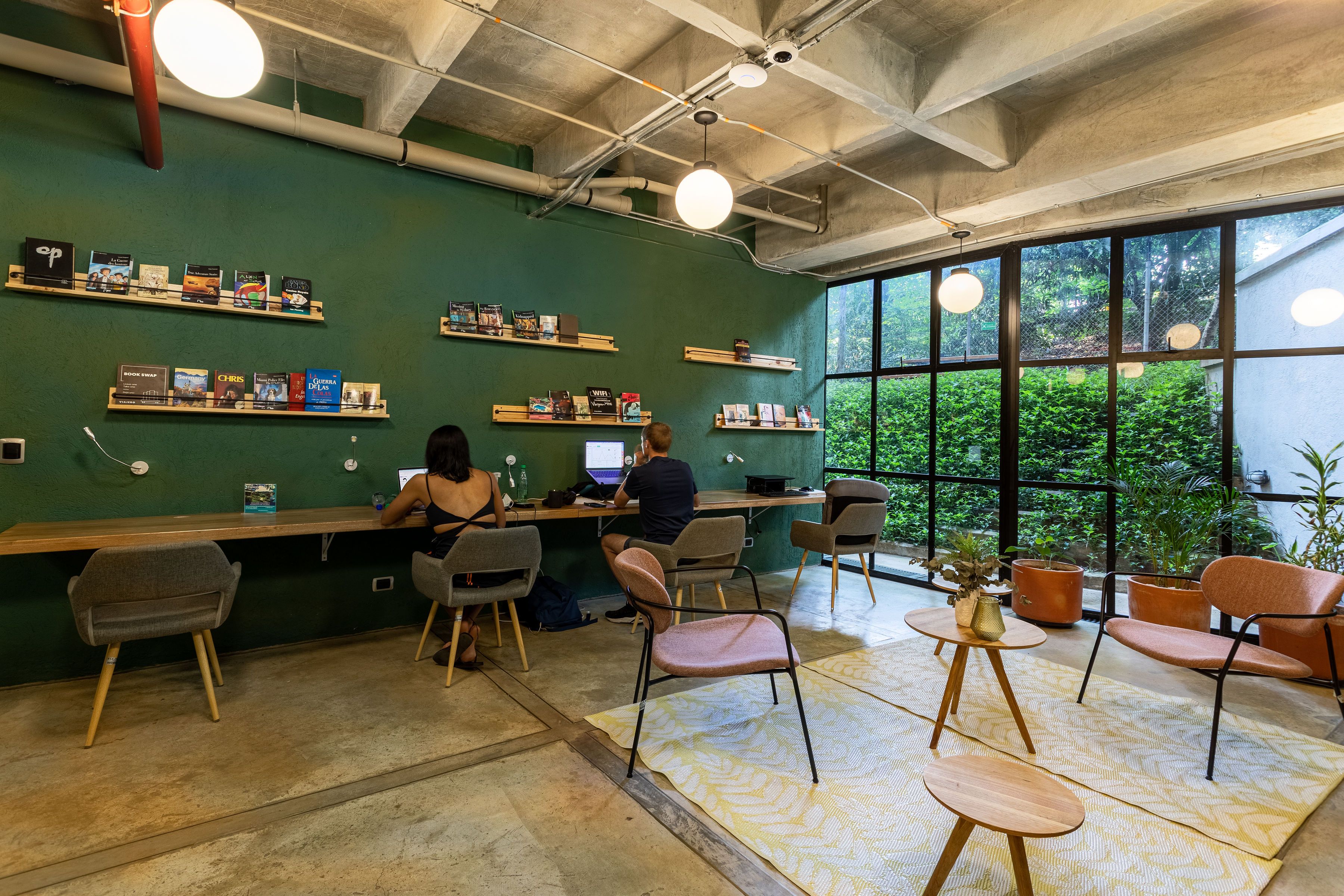
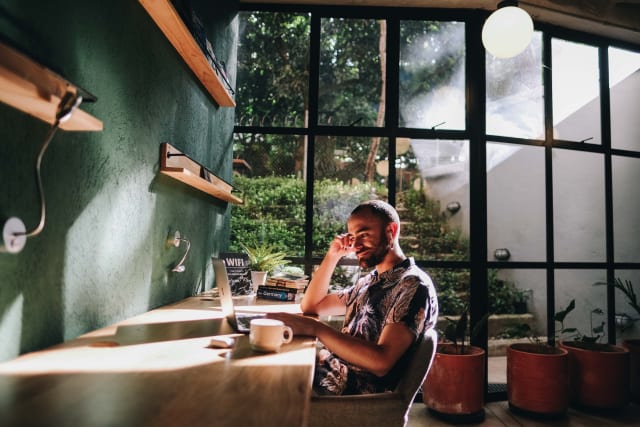
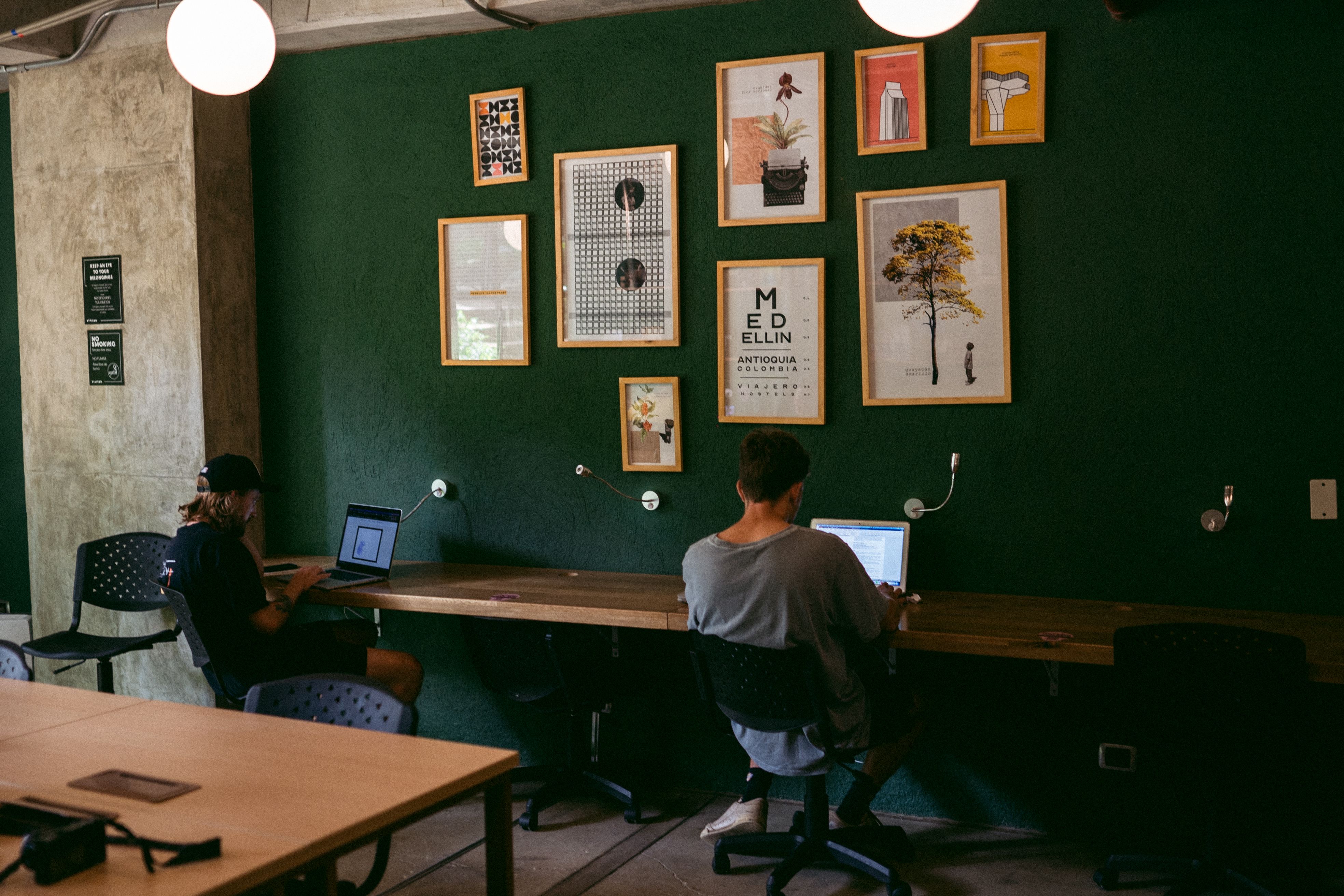
It's not a desk shoved into the corner of the common room. It's a physical space set apart, with furniture built for hours of work rather than a quick phone check, high-speed internet with backup so an important call doesn't drop mid-sentence, schedules built around different time zones, and a community of remote professionals to share lunch with between meetings.
Medellin became the epicenter of this model for a simple reason: competitive cost of living, stable weather year-round, and an already-established nomad community that keeps attracting more nomads. The model that works is hybrid — serious coworking by day, hostel community by night.
Before booking, it's worth asking: is the coworking space capped, or do you need to show up early for a spot? Is there a private room for calls without stepping into the hallway? What happens if the wifi drops — is there a backup plan?
More expensive? May carry a slightly higher rate, but pays off vs. renting separate coworking.
Need to book ahead? Depends on the hostel.
Which cities lead this trend? Medellin, followed by Mexico City and Buenos Aires.
Good for video calls? The best-designed ones include call booths.
Digital Nomad Hostel in Medellin
Medellin became one of Latin America's leading digital nomad hubs almost by accident. But working remotely from a hostel plays by its own rules — different from any other kind of trip.

Wifi is the baseline, but what really changes the game is a work area separated from the social space — because turning in a deadline is a different experience with reggaeton playing in the background. Add flexible check-in and check-out for anyone working across time zones, a community of other nomads to share a coworking table with by afternoon and a terrace beer with by night, and real proximity to coworking spaces when the hostel doesn't have its own.

Office mornings improvised on the terrace, afternoons exploring the city or working out, evenings where the line between coworking colleague and travel friend blurs faster than expected. Nomads don't stay three nights — they stay weeks, and that changes the routine, the community, even the friendships that form.
More guests arrive every month with a laptop and plans to stay over a week. The idea is simple: choose your pace each day, between working, exploring, or just disconnecting.
How good is the internet? Improved a lot due to nomad demand.
Cheaper than an apartment? Depends on length of stay.
Is there a nomad community? Yes, one of the reasons Medellin became a hub.
Best area for nomads? El Poblado remains most popular, Laureles is gaining ground.

Explore Downtown Bogota and Unwind at Monserrat Spa, Viajero Bogota's Wellness Center
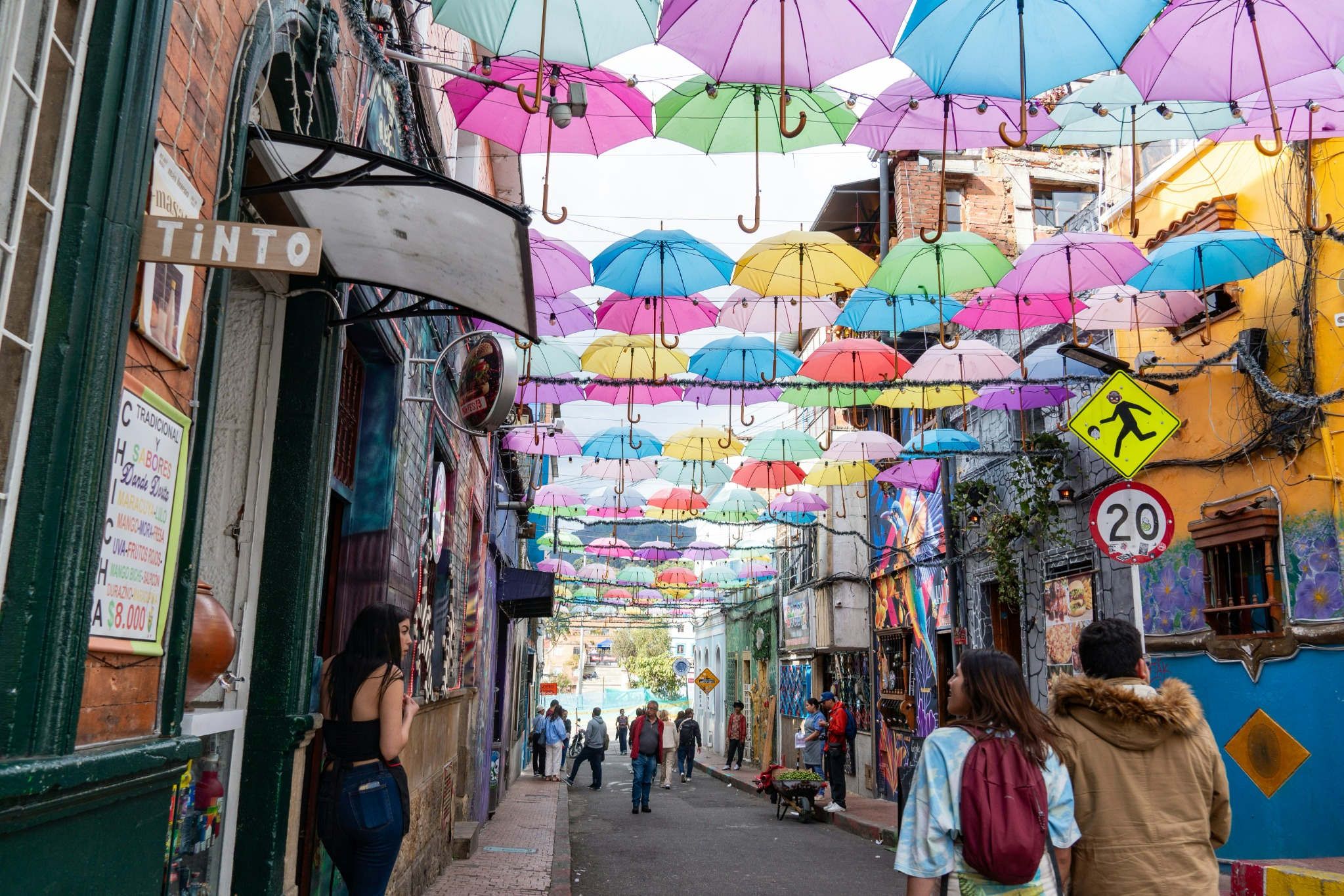
At 2,600 meters, a full day spent walking La Candelaria hits your legs differently than it does anywhere else on the route. Uphill cobblestone streets, cold that doesn't let up even at midday, hours spent between museums and colonial facades. And after all that, there's a ritual few travelers know about yet: heading straight down to Monserrat Spa, the three-level spa operating inside Viajero Bogota.

La Candelaria is best explored without rushing: the Gold Museum mid-morning, the colorful streets on the way to Chorro de Quevedo, one of the neighborhood's many murals, a coffee stop along the way because the cold demands it. It's the kind of day that leaves your legs tired and your hands cold — exactly the right starting point for what comes next.

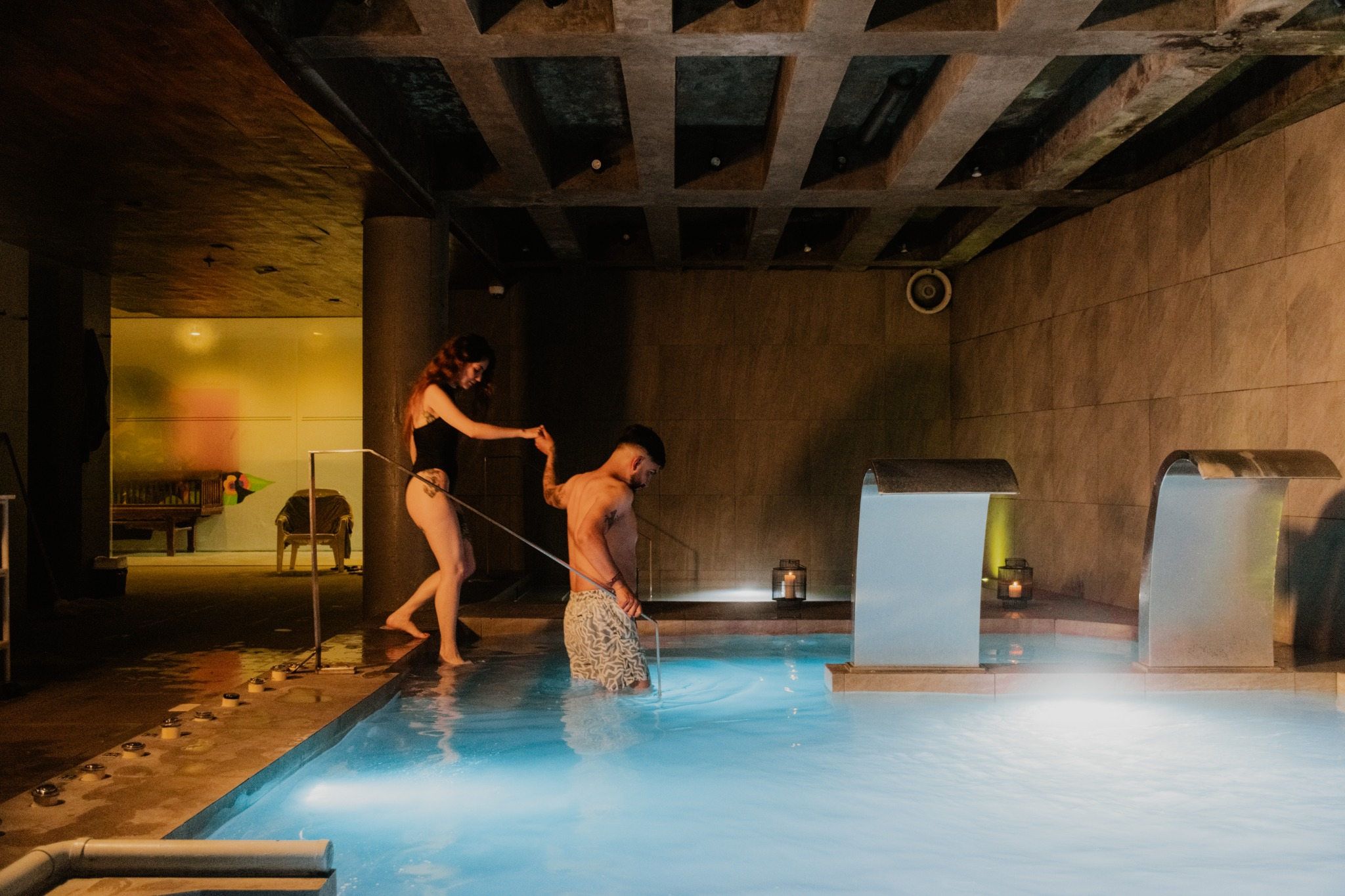
Monserrat Spa occupies three floors inside the hostel, built to reverse exactly that kind of exhaustion: a sauna, a Turkish bath, and a hydrotherapy circuit that alternates water at different temperatures, plus professional massages and facial treatments. It's not a couple of improvised treatment tables — it's a full wellness space, built so Bogota's cold becomes part of the plan instead of an obstacle.
Something that surprises more than a few people: you don't need to be staying at Viajero to go in. Monserrat Spa welcomes both hostel guests and the general public, so if you live in Bogota and have never been, you don't need to book a room to try it — and if you're passing through, guests in private rooms get included access, while dorm guests get a special discount.
Monserrat Spa is open Monday 10:00 am–7:00 pm, Tuesday to Friday 12:00 pm–8:00 pm, and weekends and holidays 10:00 am–7:00 pm.
Do I need to be a Viajero Bogota guest to use the spa? No — Monserrat Spa serves both hostel guests and the general public.
What services does Monserrat Spa offer? A sauna, Turkish bath, hydrotherapy circuit, professional massages, and facial treatments.
What are the hours? Monday 10:00 am–7:00 pm, Tuesday to Friday 12:00 pm–8:00 pm, weekends and holidays 10:00 am–7:00 pm.
What else can I do the same day downtown? The full La Candelaria route: the Gold Museum, Chorro de Quevedo, the neighborhood's colorful streets and murals — a full day before heading down to the spa.
Book your stay at Viajero Bogota

Hostel in Cartagena: The Viajero Getsemani Guide
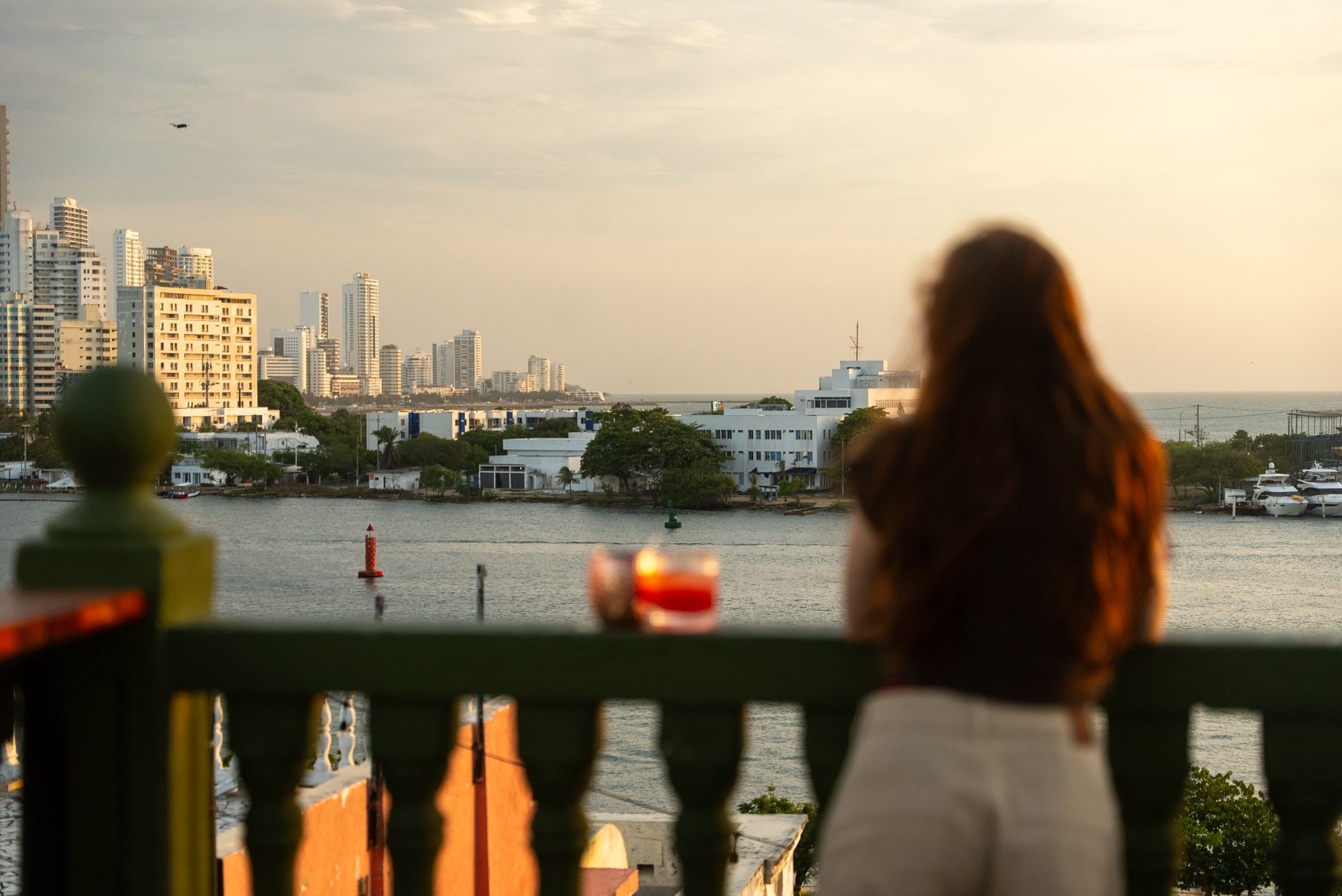
It's four in the afternoon in Getsemani and the heat still bites, but in Plaza de la Trinidad a group is already playing drums while fruit vendors slice mango with salt for whoever walks by. Five blocks away, stone walls separate this living neighborhood from the postcard old town. The question that actually shapes your Cartagena trip isn't what to see — it's where to sleep so you're close to all of it without paying boutique-hotel prices.

From here, everything is walkable: the Walled City, Plaza de la Trinidad, the seafront at sunset. But proximity is only half the story. Getsemani has neighborhood nightlife — live music on the street, not chain-club cover charges —, better value for money than staying inside the walls, and a traveler community so active it's, without exaggeration, one of Colombia's strongest backpacker meeting points.

Caribbean heat demands two non-negotiables: air conditioning that actually works, and cool spaces to hang out without locking yourself in your room. At Viajero Getsemani, the tropical heat feels like part of the plan — terrace, shaded common areas, a vibe built for doing nothing during peak sun hours. And once the heat drops, the hostel becomes the ideal base for sunset walks through the Walled City, day trips to the Rosario Islands, or losing yourself in a street food tour.
Getsemani is minutes from Rafael Nunez Airport and fully walkable to the historic center.
Is Getsemani safe? Yes, one of the most frequented areas by travelers. Watch belongings on the street and stick to well-lit areas at night.
Is Getsemani close to the beach? It's in the historic center; the closest beaches (Bocagrande, Marbella) are a short ride away.
Best time to visit Cartagena? Year-round; December-March tends to have less rain.
Getsemani vs. inside the Walled City? Price and authenticity: Getsemani is more local and accessible; inside the walls is mostly high-end boutique hotels.
Work, explore and connect with other travelers.
Choose your next base with Viajero and ask about workspace conditions, Wi-Fi and availability before booking. Make room for focused mornings and afternoons exploring a new city.
October 2026
2026-11-13
Colombia
October 2026